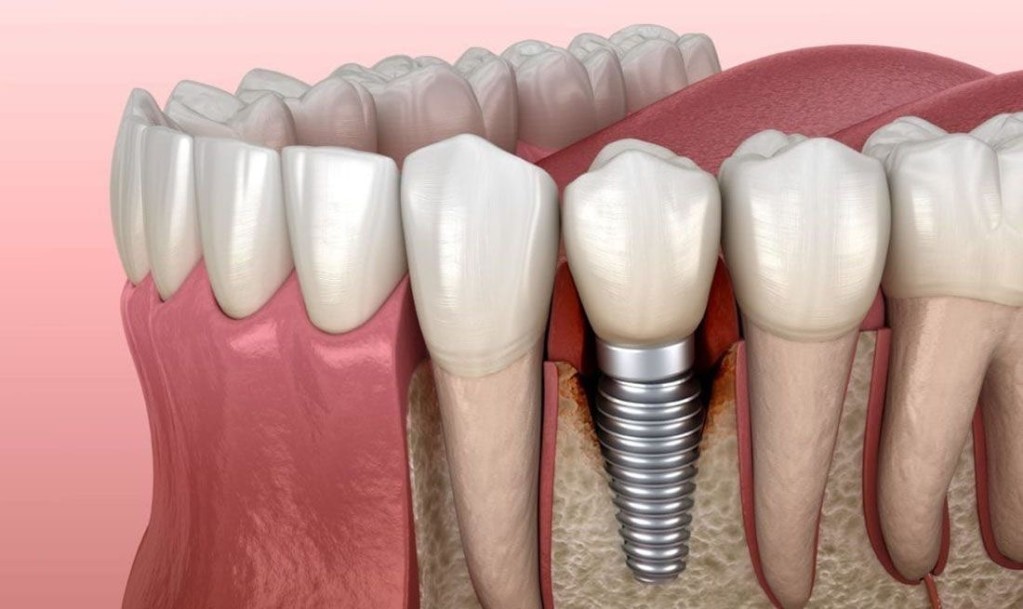
Being told your jawbone is not strong enough for tooth implants can feel like a permanent refusal, shutting the door on a confident smile and comfortable eating. This frustration, often stemming from years of gum disease or the natural bone loss following a tooth extraction, is a common but surmountable hurdle. In Turkey, advanced diagnostics and sophisticated jawbone reconstruction techniques routinely transform even the most challenging cases, offering a clear and affordable path to a secure, permanent restoration without compromise.
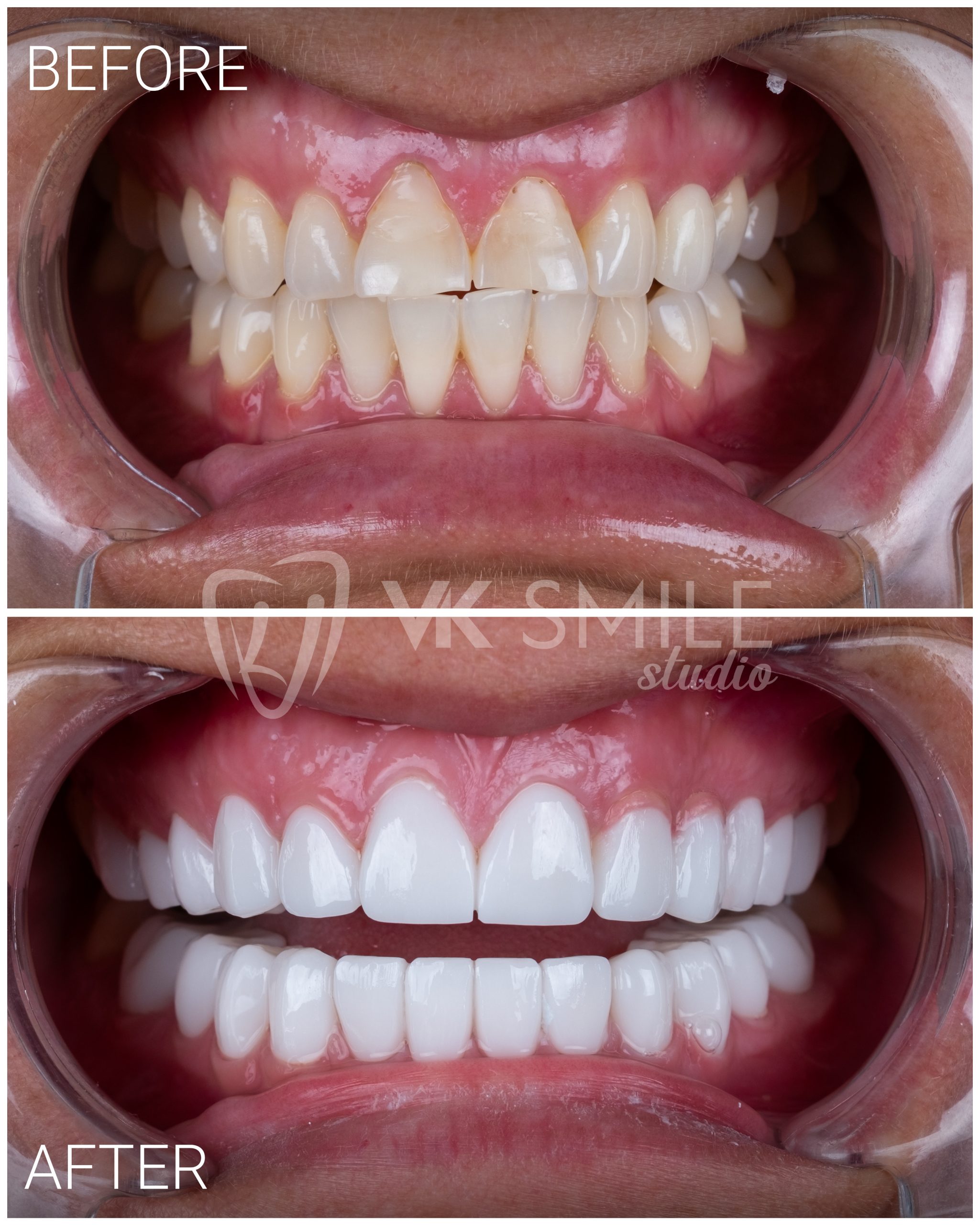


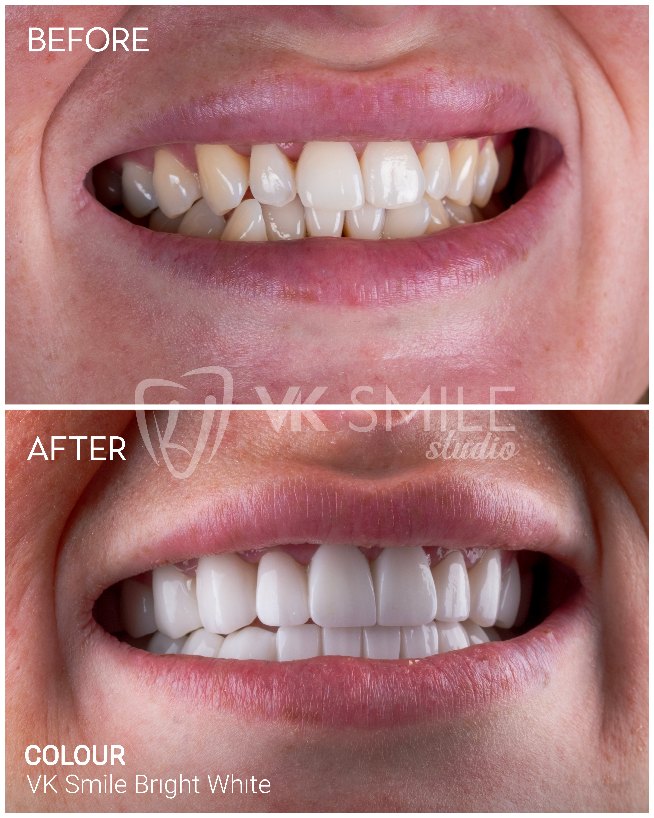
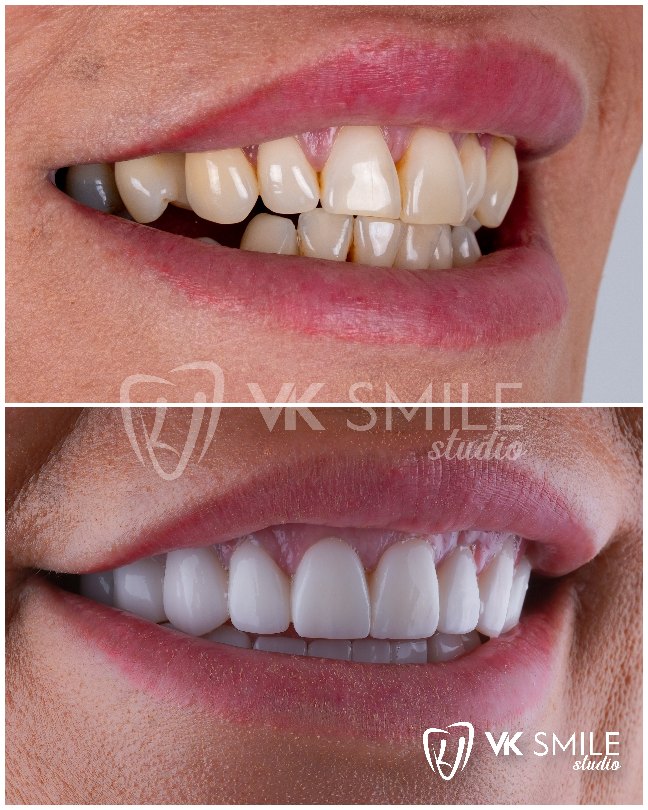
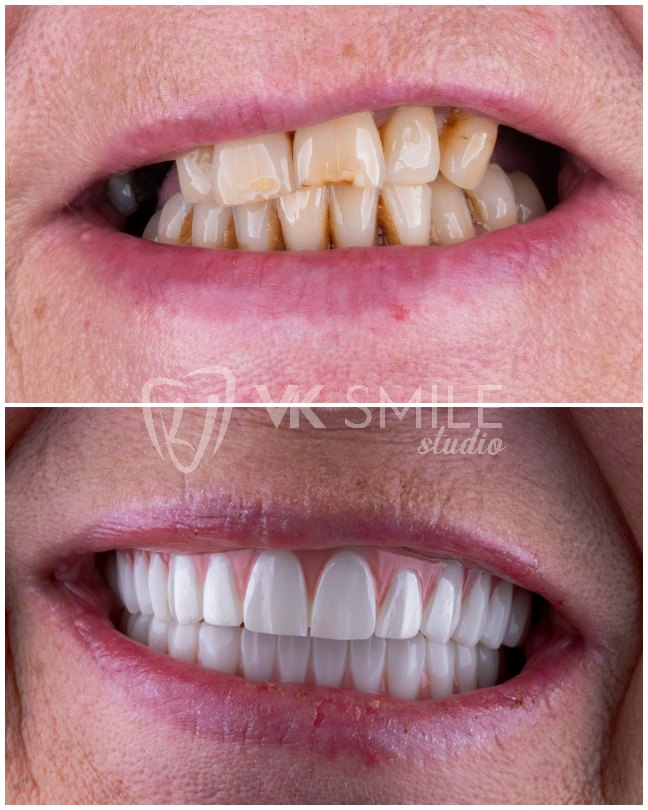
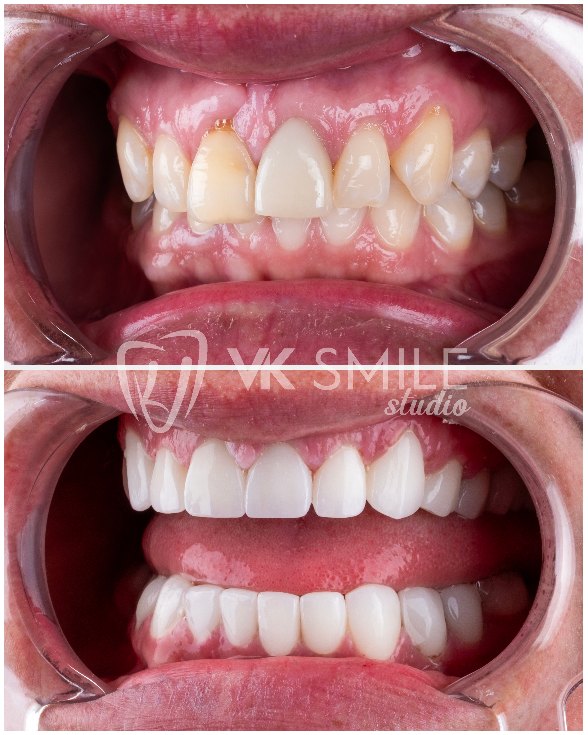
Trustindex verifies that the original source of the review is Google. They were very helpful and professional. They listened to any concerns about teeth and they installed the dental implants wellPosted onTrustindex verifies that the original source of the review is Google. I found this clinic in Face book, alican and aybuke ,they are the very good dentist DR,and they try to explain everything to me,to have confidant in this dental treatment,thank youPosted onTrustindex verifies that the original source of the review is Google. Really really good I’m happy with my treatmentPosted onTrustindex verifies that the original source of the review is Google. VK SMILE Studio could not fault them. brilliant from start to finish. Highly recommend.my husband had a brilliant experience no pain from start to finish. They proper take care of you. 5***** even the after care is amazingPosted onTrustindex verifies that the original source of the review is Google. The whole experience at VK Smile has been wonderful from arriving from the plane and starting my treatment the very next morning!! Brilliant kind happy staff, it is so clean and very professional.Posted onTrustindex verifies that the original source of the review is Google. The guys at VK took great care of me. From Ali who communicated and reassured me from on WhatsApp in the Uk to Altan the driver to Dr Root Canal (Elif.) Everybody was great. Thanks VK!!Posted onTrustindex verifies that the original source of the review is Google. Perfect from start to finish will communication and staff. Lovely modern clinic with all the best upto date equipment. My experience with VK smile has been nothing but 10 out of 10 Well what a fantastic experience from the very first contact through to the finished article. I 100% would recommend VK smile to anyone that wants a seamless experience and ultimately a fantastic new smile. Every single member of staff has your interests at heart and do everything they can for you and go over and above if needed. Nothing is too much trouble. Visit VK smile and change your life.Posted onTrustindex verifies that the original source of the review is Google. I had a great experience. Everything was easy as they send cars to get you, you have people greeting you and the dentistry is top. The clinic is very clean and so efficient. It's a big thing, but there was minimal pain. I felt I was in expert hands. Highly recommended. I can't wait to get my permanent teeth!!! I've just had my teeth totally finished by Deniz. The end result is so good, so natural that I'm ecstatic! Fantastic all round. I can't say "wow" loudly enough! Thank you to all involved at VK Smile. Amazing!Posted onTrustindex verifies that the original source of the review is Google. Absolutely amazing people here at VK Smile Antalya. The most professional crowd. Happy to be part of the big VK Smile family of happy customers. Thank you VK SmilePosted onTrustindex verifies that the original source of the review is Google. Moja wizyta w klinice przebiegła pomyślnie😉 Jestem zadowolona i polecam z czystym sercem ❤️

Table of Contents
What is bone density, and why is it crucial for implants?
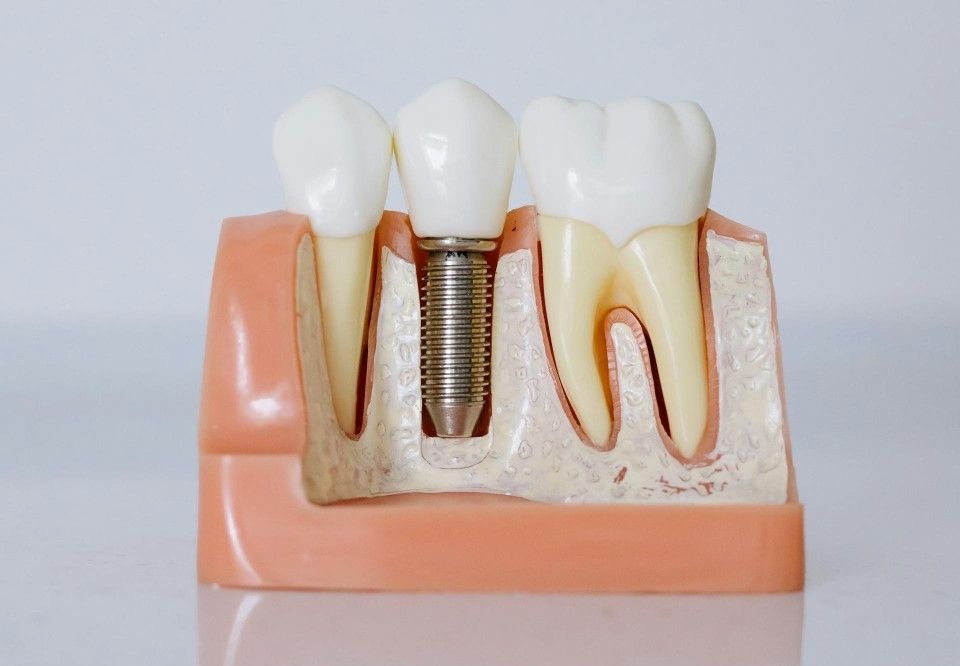
Bone quality refers to the concentration of minerals, such as calcium, within your jawbone, which gives it the strength to bear force. For tooth implants, which are titanium posts that act as artificial tooth roots, this density is crucial.
A dense jawbone provides the immovable foundation required for the implant to fuse successfully (a process called osseointegration). Without it, the implant lacks stability, jeopardising the entire treatment. Think of your jawbone as the foundation for a house. You cannot build a stable, lasting structure on soft, unstable ground.
Similarly, a successful implant procedure depends on the quality and quantity of the bone that surrounds and supports it. This quality can be compromised by long-term gum disease or bone resorption following a missing tooth. This is why understanding your bone quality is the non-negotiable first step in any implant journey.
Prices and treatment packages for tooth implants in Turkey
Choosing Turkey for dental fixtures offers world-class care at exceptional value, with savings of 50-70% versus the UK. At VK Smile Studio, transparent, all-inclusive packages let you invest in your smile with confidence.
Your final cost is personalised, based on the number of implants and any need for bone grafting. The table below shows starting prices for our core packages. A precise quote follows your 3D CBCT scan, which is essential for assessing your bone quality and planning your successful implant procedure.
Treatment
Starting price (per jaw)
What is included
Single dental implant & crown
from £500
Consultation, 3D CBCT scan, implant placement surgery, custom abutment, and a permanent zirconia crown
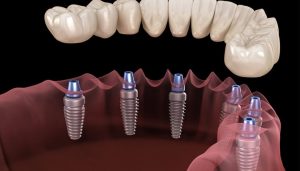
All-on-4 full-arch implants
from £3,200
Four Nobel Biocare or Straumann implants, all surgical procedures, a fixed temporary prosthesis on the same day, and a final set of permanent acrylic or zirconia teeth
All-on-6 full-arch implants
from £4,200
Six premium implants for enhanced stability, the complete surgical protocol, immediate temporary teeth, and your final, screw-retained bridge
Bone grafting (if required)
from £300
The cost for the necessary bone augmentation material and the surgical procedure to build your foundation for implant success

Important: These are starting prices for standard cases. The final cost for your tooth implants in Turkey is always custom. It is determined after a detailed digital assessment of your bone quality.
If your scan shows that jawbone reconstruction or a sinus lift is required to ensure long-term success, this will be incorporated into a single, transparent treatment plan and quoted accordingly. Our all-inclusive packages also cover essential conveniences like VIP transfers, hotel accommodation, and interpreter services, ensuring a worry-free experience.
VK Smile Studio implant services for complex cases in Turkey
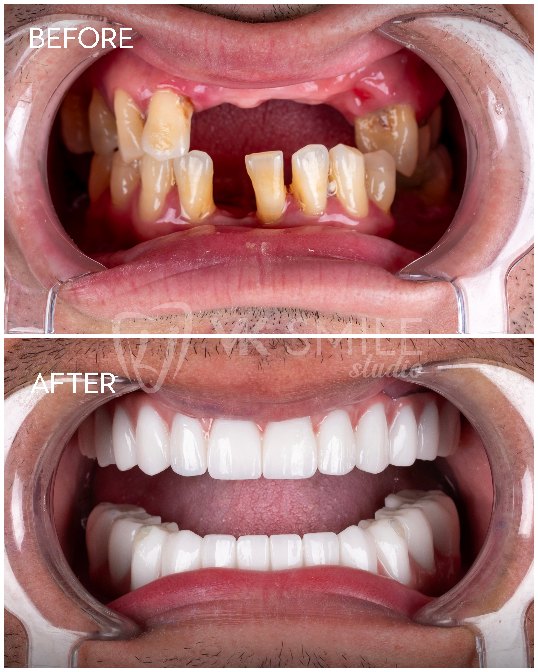
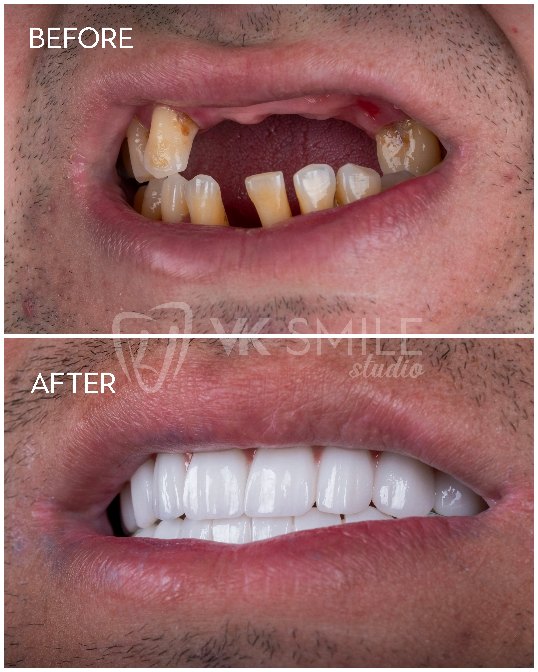
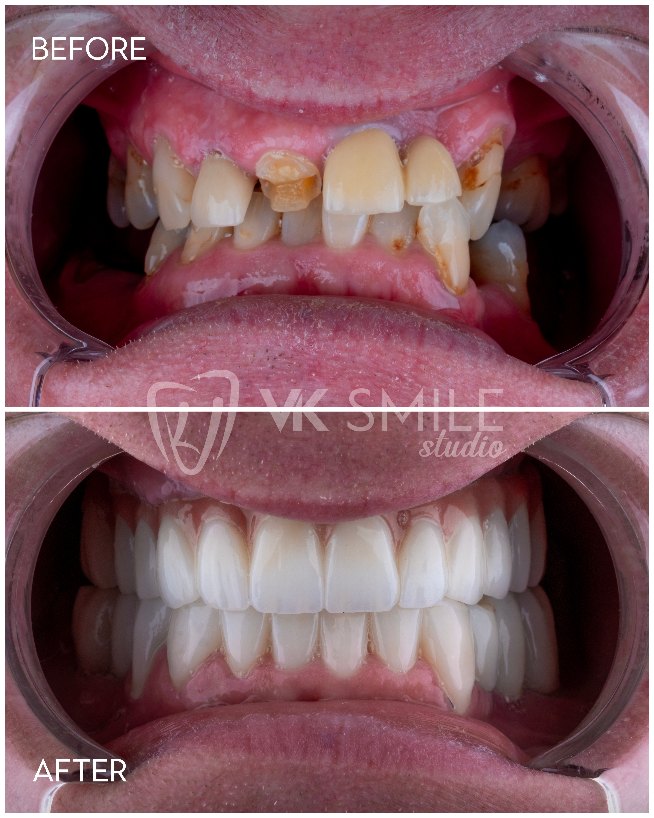


At our clinic, we specialise in managing the very cases that other clinics may find too complex. Our expertise is not just in placing implants, but in creating the ideal biological conditions for them to succeed. We provide a comprehensive suite of advanced solutions under one roof.
Our core services for patients with bone loss include:
- Advanced jawbone reconstruction (using synthetic, autogenous, or donor materials)
- Sinus lift procedures for the upper jaw
- Zygomatic implants for extreme bone atrophy
- Full-mouth reconstructions (All-on-4, All-on-6, All-on-8)
- Management of active periodontal disease before implant placement
This focused expertise means that a diagnosis of low bone quality is not an endpoint at our clinic, but rather the starting point for a meticulously planned restoration.
What our patients say about their implant journey
Don’t just take our word for it. The experiences of our UK patients, who have completed their journey to a new smile in Turkey, speak to the quality of care and life-changing results you can expect. Their feedback highlights the process, expert treatment, and renewed confidence that define a VK Smile Studio experience.
How the dental implant procedure works in Turkey
Choosing Turkish clinics for your tooth implants means taking a well-designed journey designed for international patients. The process is structured for efficiency, comfort, and outstanding results.
Your step-by-step journey will follow these stages:
- Remote consultation and planning. You begin by sharing any existing X-rays or having a UK scan. Our specialists in Turkey analyse your case and prepare a preliminary treatment plan.
- Comprehensive diagnostics in Turkey. A detailed 3D scan upon arrival creates a map of your jaw, nerves, and sinuses, finalising your precise surgical plan.
- Surgical phase. Any necessary bone regeneration and the placement of the dental fixtures are performed using guided, minimally invasive techniques.
- Healing and integration. You will return home for the healing phase. This period (3 to 6 months) allows the bone graft to integrate and the implants to form a strong, permanent bond with your jawbone. During this phase, you must adhere to a soft foods diet to protect the surgical site and promote optimal healing.
- Final restoration. On your second trip, your custom-made, permanent crowns or bridges are fitted, completing your new smile.


How to know if your bone density is suitable for tooth implants
Determining your candidacy is a precise science, not a guess. In Turkey, we utilise state-of-the-art technology to assess your jawbone with absolute accuracy long before any procedure begins.
The cornerstone of this assessment is the Cone Beam Computed Tomography (CBCT) scan. This 3D imaging tool allows us to:
- Measure your bone quality
- Assess bone volume in all dimensions
- Identify anatomical structures with sub-millimetre precision
This scan answers the critical question: “Is there enough strong bone to support an implant?” The bone density test cost in Turkey is included within your diagnostic package, representing a fraction of what you would pay elsewhere for the same advanced technology.
Bone density classification for tooth implants
Dentists classify jawbone quality into four main types, known as the D1-D4 classification. Understanding this scale helps clarify your personal treatment plan and why certain procedures may be recommended. Here are the key characteristics of each bone quality type:
Bone quality type
Key characteristics
Implant consideration
D1 bone quality
Very dense, hardwood-like bone. Mostly found in the lower front jaw.
Excellent for stability, but requires careful surgical technique due to lower blood flow.
D2 bone quality
Dense bone with a porous core. Considered the ideal balance.
Provides excellent initial stability and good healing potential, often ideal for implants.
D3 bone quality
Less dense, spongier bone with a thin outer layer.
Offers moderate initial stability. Bone augmentation is often recommended to enhance the site for long-term success.
D4 bone quality
Very soft, low-density bone, often found in the back of the upper jaw.
Provides poor initial stability. Almost always requires jawbone reconstruction or alternative techniques like zygomatic implants.
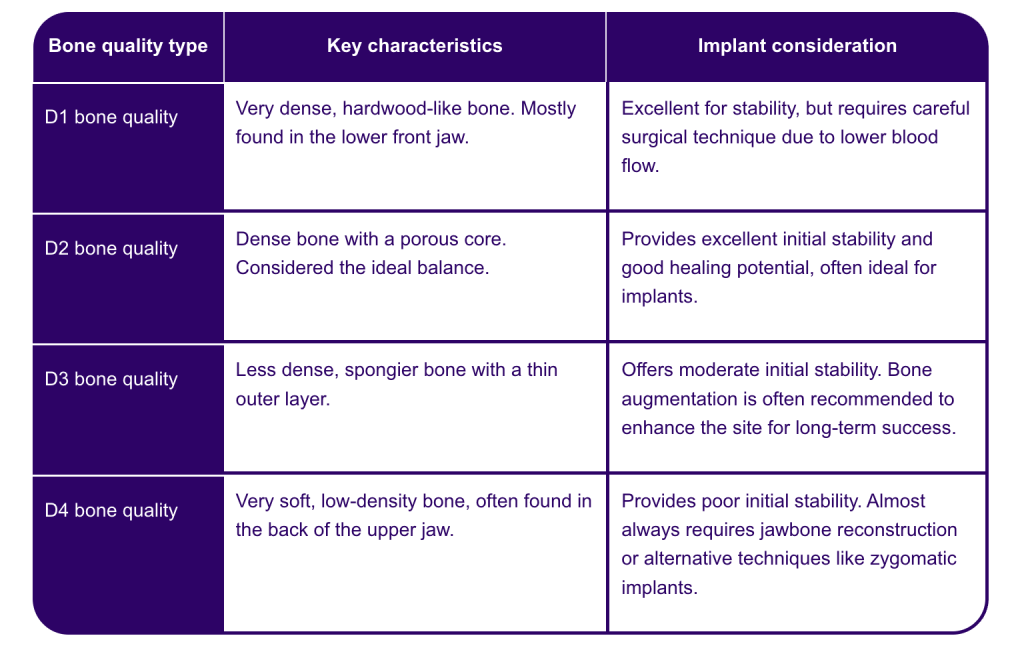
While general trends can be observed, your personal CBCT scan provides the definitive data needed for planning in Turkey. To illustrate how jawbone structure changes, the bone density chart by age below outlines average mineral density levels by age group, highlighting why assessment is critical:
Age group
Typical jawbone density status
Key consideration for implants
20-40 years
Peak to stable density
Optimal conditions for implant placement and healing. Bone grafting is less frequently required.
40-60 years
Gradual decline begins
Density assessment becomes crucial. Underlying gum disease or tooth loss can accelerate bone resorption.
60+ years
Increased risk of low density
Comprehensive 3D scanning is essential. Bone grafting and advanced techniques are common and successful in Turkey.

This bone density chart by age shows why a personalised scan is non-negotiable. It moves beyond averages to give our surgeons in Turkey the precise blueprint for your successful implant procedure.
Advanced solutions in Turkey for severe bone loss
Leading clinics in Turkey view significant bone loss not as a barrier, but as a condition to be expertly managed. They are equipped with the surgical expertise and technology to perform advanced reconstructive procedures routinely.
Bone grafting: rebuilding your foundation
Bone grafting is the definitive solution for inadequate bone quality. It involves placing grafting material into the jawbone to stimulate your body’s bone growth.
After several months of healing, this creates a robust new foundation. Clinics in Turkey offer all types of grafts, including synthetic options that are highly effective and eliminate the need for a second surgical site.
Sinus lifts
Bone grafting is the definitive solution for inadequate bone quality. It involves placing grafting material into the jawbone to stimulate your body’s bone growth.
After several months of healing, this creates a robust new foundation. Clinics in Turkey offer all types of grafts, including synthetic options that are highly effective and eliminate the need for a second surgical site.
Zygomatic implants
For cases of extreme bone loss in the upper jaw, zygomatic implants present a revolutionary alternative. These longer implants anchor into the dense, stable cheekbone (zygoma), bypassing areas of deteriorated jawbone. This complex technique, performed by specialist maxillofacial surgeons in Turkey, often allows for immediate function without the need for grafting or extended healing times.
The safety factor: a detailed look at dental clinics in Turkey
Safety is the paramount concern for any patient considering treatment abroad. Reputable clinics in Turkey often exceed international standards.
State-of-the-art technology
Your safety begins with precision. Advanced 3D CBCT scanners and computer-guided surgical systems allow for virtual planning and implant placement with sub-millimetre accuracy, protecting vital structures and maximising success rates.
Specialist surgeon expertise
Complex procedures like jawbone reconstruction and zygomatic implants are performed by qualified Oral and Maxillofacial Surgeons or Periodontists. Many surgeons in Turkey have international training and decades of experience specifically in complex implantology.
World-class implant materials
The perception of “cheaper” materials is a myth. Top-tier clinics use the same premium, CE-certified implant brands (like Straumann® or Nobel Biocare) trusted by surgeons in London and New York, often with lifetime warranties.
Strict sterilisation and dental hygiene protocols
Leading clinics operate with hospital-grade sterilisation protocols. All instruments are processed through autoclaves, and procedures are conducted in sterile surgical environments, ensuring your safety from infection.
Why choose VK Smile Studio for your tooth implants in Turkey?
Your choice of clinic is the single most important factor for a successful outcome. VK Smile Studio is engineered for excellence in complex dental implantology, offering distinct advantages that make us the definitive choice for patients seeking treatment in Turkey:
- Unmatched technical control with an in-house laboratory. Unlike clinics that outsource, our state-of-the-art dental lab in Turkey is integrated into our workflow. It gives our technicians direct collaboration with surgeons, ensuring every crown and bridge, from temporary to final, is crafted for perfect precision, aesthetics, and fit.
- Surgical expertise in low bone quality and complex cases. Our founding surgeons specialise in advanced reconstructions. Managing low bone quality with sophisticated jawbone reconstruction techniques, sinus lifts, and zygomatic implants is our core expertise, not an exception.
- An end-to-end patient journey. We manage your entire experience from your first remote consultation to your aftercare. Our dedicated team handles all logistics (e.g., travel, accommodation, and clinic transfers), providing a transparent, hassle-free journey to Turkey.
- Award-winning standards across a trusted network. As an award-winning provider with seven clinics across Turkey, we deliver consistent, high-quality care and use internationally recognised implant brands, ensuring the longevity and safety of your implants.
FAQ
What is the ideal bone density for dental implants?
The ideal bone quality types for dental fixtures are D1 and D2. D2 bone is often considered the best overall, providing an optimal balance of density for immediate stability and porosity for good blood flow to support healing. However, with advanced planning and techniques, successful outcomes are achieved for all bone quality types in Turkey.
Is Turkey a good place to go for dental implants?
Yes, Turkey has firmly established itself as a leading global destination for dental fixtures. It combines substantial cost savings with access to highly trained specialist surgeons, world-class implant brands, and clinics equipped with the latest technology. For complex cases requiring bone augmentation, the expertise and affordability found in Turkish clinics are particularly compelling.
Can you have dental implants if you have low bone density?
Absolutely. Low bone quality (D3 or D4) is a common condition, not a disqualification. Modern dentistry offers several solutions, including bone augmentation, sinus lifts, and zygomatic implants, which are designed to create a strong foundation for implants where natural bone is insufficient.
These procedures are routine for expert Turkish clinics. Following such surgeries, a temporary period of eating soft foods is standard to ensure successful healing.
How much does a bone graft cost in Turkey?
The bone grafting cost in Turkish clinics is more affordable than in the UK, though the exact price depends on the type and amount of graft material required. At our clinic, any necessary grafting (along with the essential bone density test cost for precise planning) is included in your personalised, all-inclusive treatment plan.
What is the 3/2 rule for dental implants?
The 3/2 rule is a surgical guideline for ensuring implant stability, particularly relevant for immediate loading protocols. It suggests that an implant should have good stability in at least three out of the five bone quality classifications and should engage at least two-thirds of the available bone height at the site. This rule underscores why precise 3D imaging is non-negotiable for safe planning.
Can a tooth with 70% bone loss be saved?
A natural tooth with 70% bone loss cannot typically be saved. The standard and most effective treatment plan is a planned tooth extraction to eliminate the active periodontal disease, followed by bone reconstruction to rebuild the jaw, and finally the placement of a dental implant. It stops the disease and provides a permanent, functional replacement. Successful, long-term outcomes depend on excellent post-treatment dental hygiene.