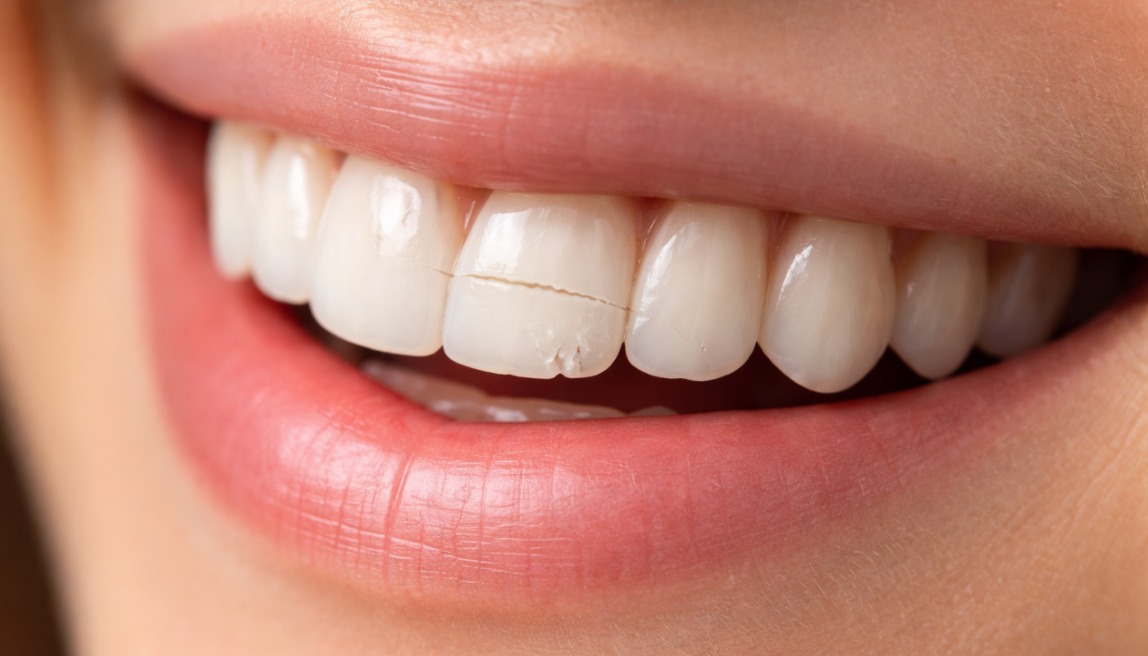
The sudden discovery of a jagged edge or the hollow sensation of a missing restoration often triggers a wave of panic and social withdrawal. Living with a damaged smile is a persistent drain on your confidence, forcing you to calculate every smile and avoid certain foods to prevent further embarrassment. While the prohibitive costs of private dentistry in the UK can make a simple repair feel like a financial crisis, seeking treatment in Turkey offers a world-class pathway to restoring your smile without the burden of excessive debt.
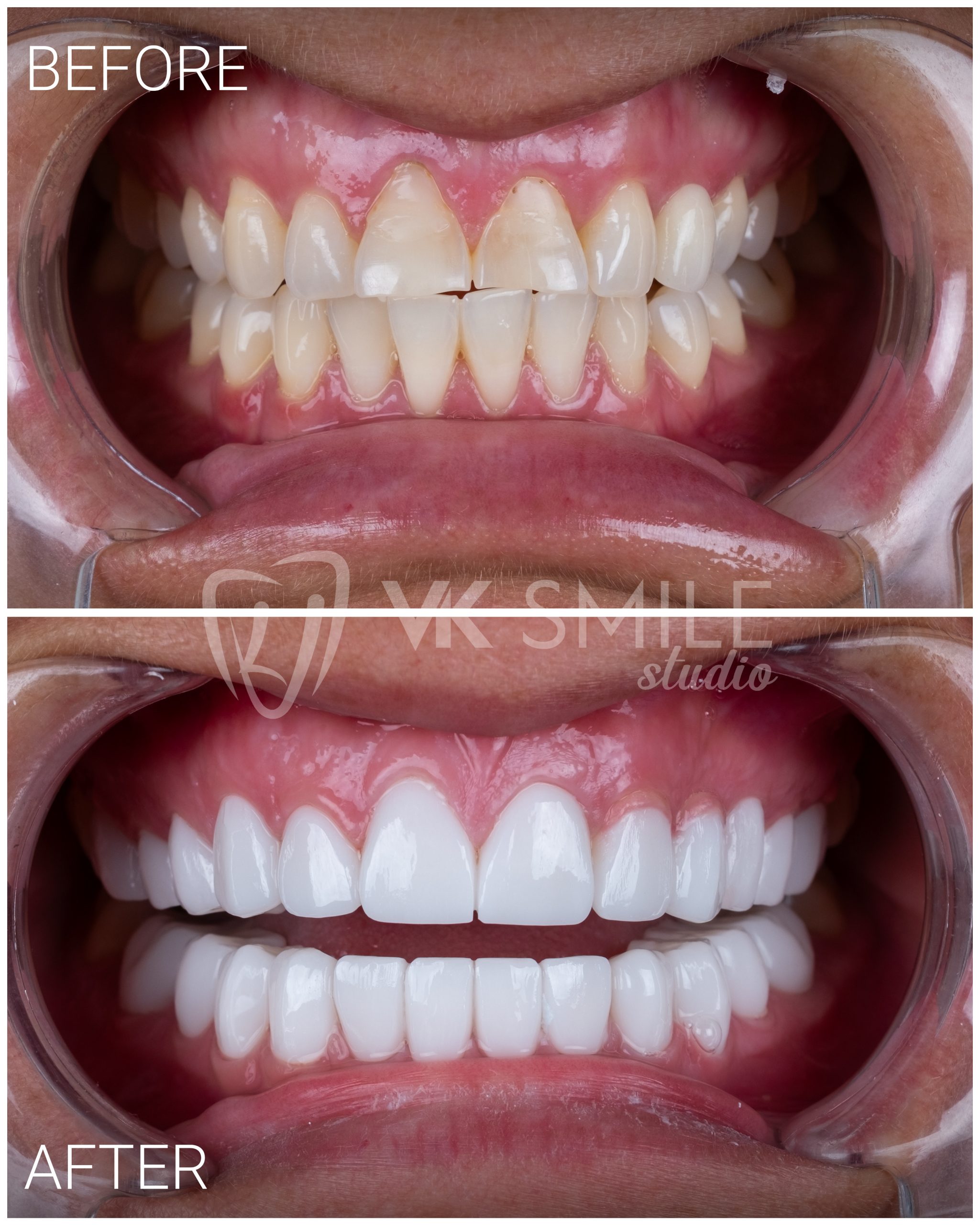


Trustindex verifies that the original source of the review is Google. I came from US. I found VK Smile after my research and I made the right decision. Today I can eat, smile with confidence. Thank you so much..Posted on GoogleTrustindex verifies that the original source of the review is Google. Wow what can I say from the pick up from the airport to the accommodation then on to VK smile studio the treatment was outstanding start to finish, every question answered so friendly couldn’t recommend them enough and thank you so much for giving me my smile backPosted on GoogleTrustindex verifies that the original source of the review is Google. Excellent service, cannot fault them, professional and talked me through every step, thoroughly recommendPosted on GoogleTrustindex verifies that the original source of the review is Google. Отличная стоматологическая клиника! Очень внимательный и профессиональный персонал. Спасибо за качественное лечение и заботу о пациентах.Posted on GoogleTrustindex verifies that the original source of the review is Google. در کلینیک vk smile studio آنتالیا شاهد درمان بیماران زیادی از جمله خودم بودم و می توانم از محیط دوستانه و تیم بسیار حرفه ای این کلینیک به خاطر خاطرات زیبای که برایم ساختند تشکر کنم،از ابتدا تا انتهای این سفر در کنارم بودن و به تمام سوالات من صبورانه و دوستانه پاسخ دادند ،از همه ی شما ممنونم که در کنارم بودین و امیدوارم شاهد موفقیت های بیشتر کلینیک شما در آینده باشم🥰🥰🥰Posted on GoogleTrustindex verifies that the original source of the review is Google. Bardzo miła obsługa, profesjonalni lekarze i świetna opieka. Jestem bardzo zadowolona z leczenia. Dziękuję, VK Smile 🙂↕️Posted on GoogleTrustindex verifies that the original source of the review is Google. Very professional and just an overall great experience with vksmile would recommend to anyone they don't disappoint . From meeting in Glasgow to finals I cannot recommend vk smile highly enough amazing dentist from lady who serves you coffee all day to the fantastic reception staff and the amazing dentists if you are thinking of going to havd your teeth done give vk a go you will not be disappointed 10/10Posted on GoogleTrustindex verifies that the original source of the review is Google. From booking to completing the treatment for my teeth - service was exceptional! Communication is briliant, all questions answered. I have 3 implants, teeth look stunning and super natural. Dentist is very good - has a good knowledge and happy to help with anything. All staff is amazing, so friendly, I felt like visiting family. I absolutely do recommend it! 6 months post treatment. The clinic in UK is only for check ups and very small adjustments - for any major work after the treatment - you would have to go back to Turkey.

Table of Contents
Understanding veneer basics and why they matter
Dental veneers are thin, custom‑shaped laminates bonded to the front surface of teeth. They correct discolouration, close gaps, reshape worn edges, and mask minor misalignment. Most veneers are made from porcelain (ceramic) or composite resin.
Porcelain veneers resist staining and mimic the light‑handling properties of natural enamel, lasting 10-15 years. Composite veneers are more affordable and repairable but last 5-7 years.
When a veneer chips or falls off, the underlying tooth structure remains protected only if you act quickly. Understanding this basic anatomy helps you recognise why a prompt, professional response matters.
Why veneers chip or break (and how Turkey clinics prevent this)
Veneers are durable, but they are not indestructible. Most chips and dislodgements trace back to predictable causes.
The difference between a one‑off accident and recurrent failures often comes down to the skill of the original dentist and the quality of materials used. Common causes of veneer damage include:
- Biting on hard foods like nuts, ice, boiled sweets, or even popcorn kernels
- Grinding or clenching your teeth at night, known as bruxism, which applies excessive force
- Accidental trauma from a fall, sports impact, or bumping your mouth against a hard object
- Using your teeth as tools to open packages or hold objects
- Poor initial bonding technique by an inexperienced dentist, leading to micro‑leakage and eventual failure
- Underlying tooth decay that weakens the foundation beneath the veneer
Elite clinics in Turkey prevent most of these issues through high‑magnification bonding protocols, digital bite analysis, and pre‑treatment bruxism screening. When you choose a veneers provider, you receive a comprehensive risk assessment before any porcelain touches your teeth.
Veneers Turkey package price Antalya vs UK costs
You may wonder, “How much does it cost to fix a broken veneer?” The cost difference for veneer treatment between the UK and Turkey is not small, but it is transformative.
While a London-based practice may charge a premium for a single replacement, the veneers Turkey model is designed for efficiency and transparency, often including the latest diagnostic technology as standard. The following table highlights the structural differences between the UK dental model and the all-inclusive approach found in Turkey.
Feature | UK private clinics | Turkish restorative care |
|---|---|---|
Time-to-smile | 2 to 3 weeks (lab delay) | 24 to 48 hours (in-house lab) |
Technology | Often outsourced labs | On-site CAD/CAM and 3D imaging |
Financial model | Per-item billing with extras | Fixed-price package price Antalya |
Logistics | Self-managed travel | VIP concierge and transfers |
Transparency | Hidden clinical fees | All-inclusive certainty |
The veneers Turkey package price Antalya includes not only the clinical work but also chauffeured airport transfers, five‑star accommodation, and English‑speaking patient coordination. When you calculate the total investment, travelling to Turkey for veneer repair or replacement becomes both clinically and financially logical.
Our Crowns/Veneers All-inclusive packages
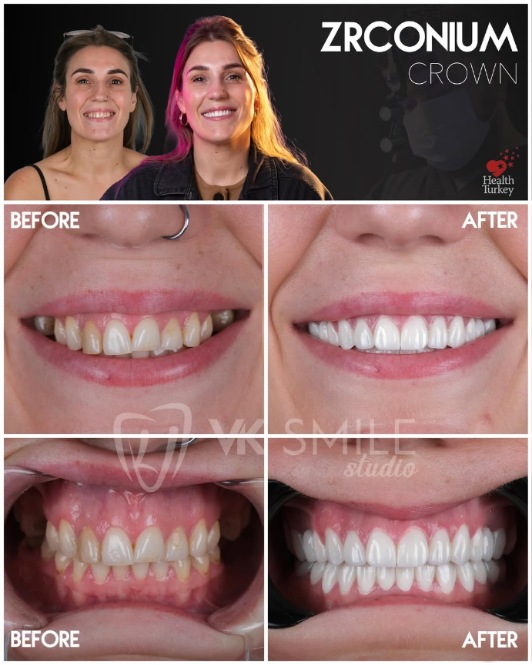
ZIRCONIUM PORCELAIN CROWNS / FULL VENEERS with CEREC® System
Package Content:
- Consultation
- Hotel Accommodation (With a Free Breakfast)
- Panoramic X-Ray & Tomography
- VIP Transfer (Airport - Hotel - Clinic)
- Social Events during Treatment
E-MAX™ CROWNS / FULL VENEERS
Package Content:
- Consultation
- Hotel Accommodation (With a Free Breakfast)
- Panoramic X-Ray & Tomography
- VIP Transfer (Airport - Hotel - Clinic)
- Social Events during Treatment
Professional dental services at VK Smile Studio
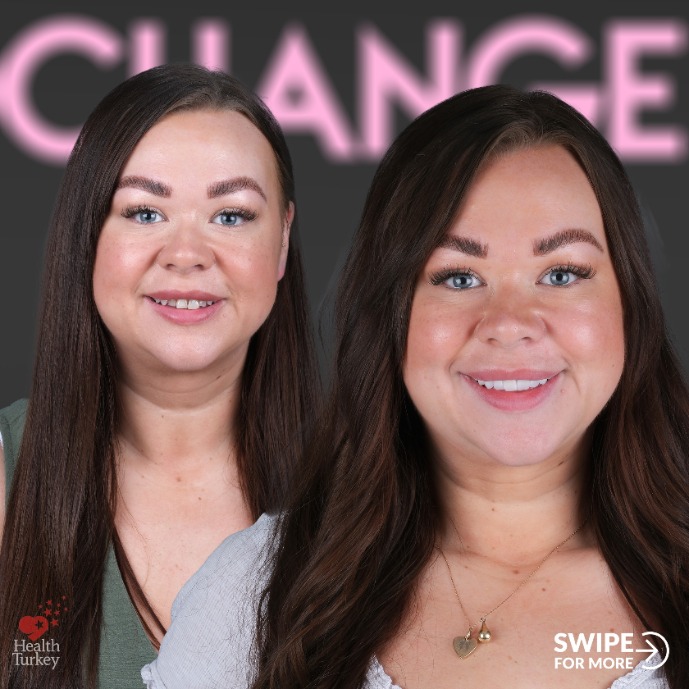
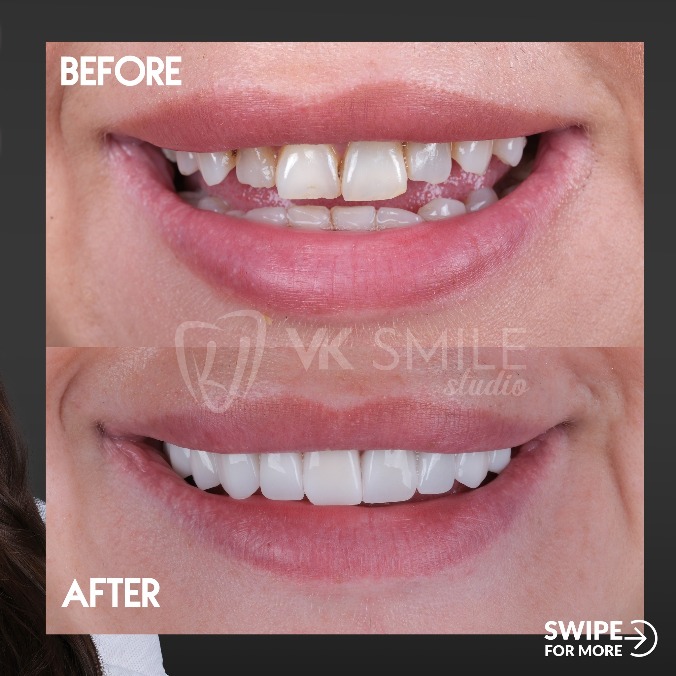
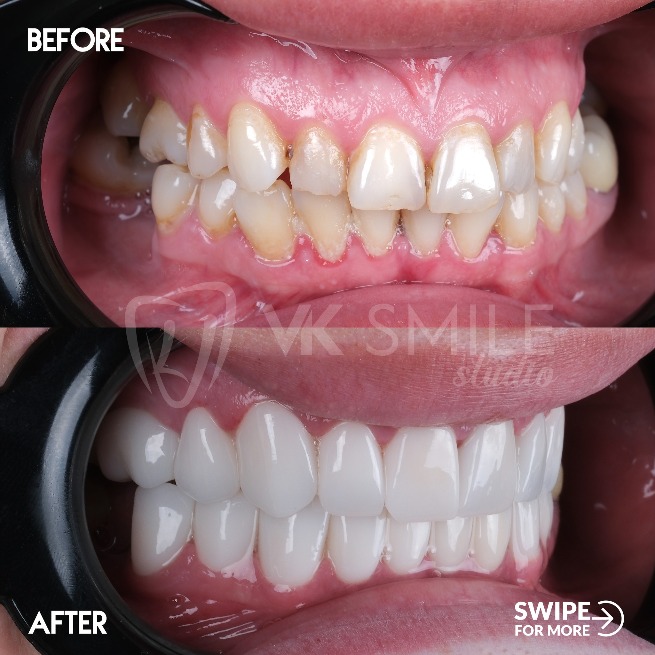
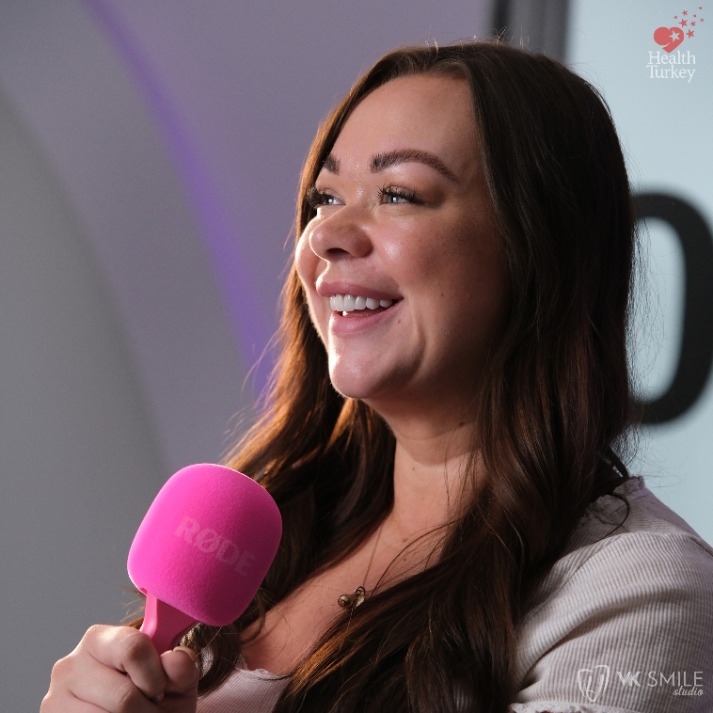
If you are searching for the veneers Turkey best place, look for a clinic that combines in‑house digital workflows, specialist restorative dentists, and transparent pricing. Here is what makes our clinic the best place for British patients:
- In‑house ceramic laboratory. Your replacement veneer is designed and milled on‑site, not outsourced to a third party. This eliminates weeks of waiting and ensures a perfect fit.
- Same‑day or next‑day replacement. In most cases, a chipped or dislodged veneer can be replaced within 24-48 hours of your arrival in Turkey.
- High‑volume precision. Our senior clinicians place and repair thousands of veneers annually. This experience translates into superior bond strength and natural aesthetics.
- Transparent fixed pricing. The price you are quoted is the price you pay. No hidden fees for emergency repairs, shade matching, or aftercare.
- Luxury patient concierge. Your package includes airport transfers, five‑star accommodation, and an English‑speaking coordinator who manages your entire clinical schedule.
We understand that when you ask, “How much does it cost to fix a broken veneer?”, you are looking for the assurance that the repair will last a lifetime. By using a fully digital workflow, our technicians ensure every replacement restoration is crafted with sub-millimetre precision. We provide treatments to different aesthetic requirements:
- E-max porcelain restorations for natural translucency
- Zirconia-reinforced veneers for superior bite force resistance
- Non-prep Lumineers for patients with intact enamel
- Full-mouth “Hollywood Smile” rehabilitations
- Same-day emergency replacements using on-site milling
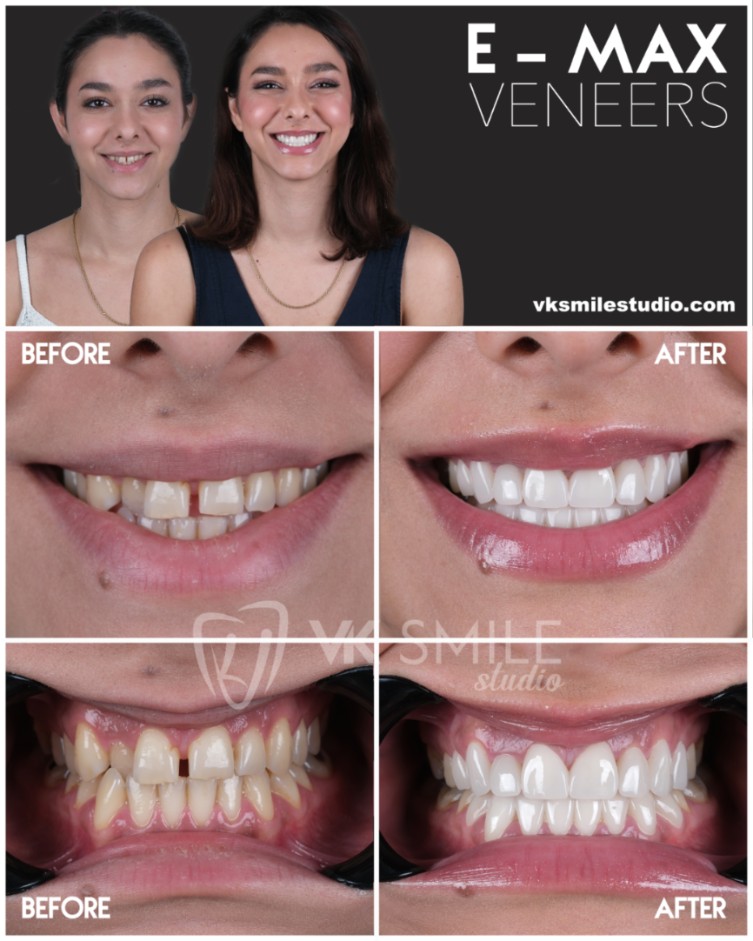
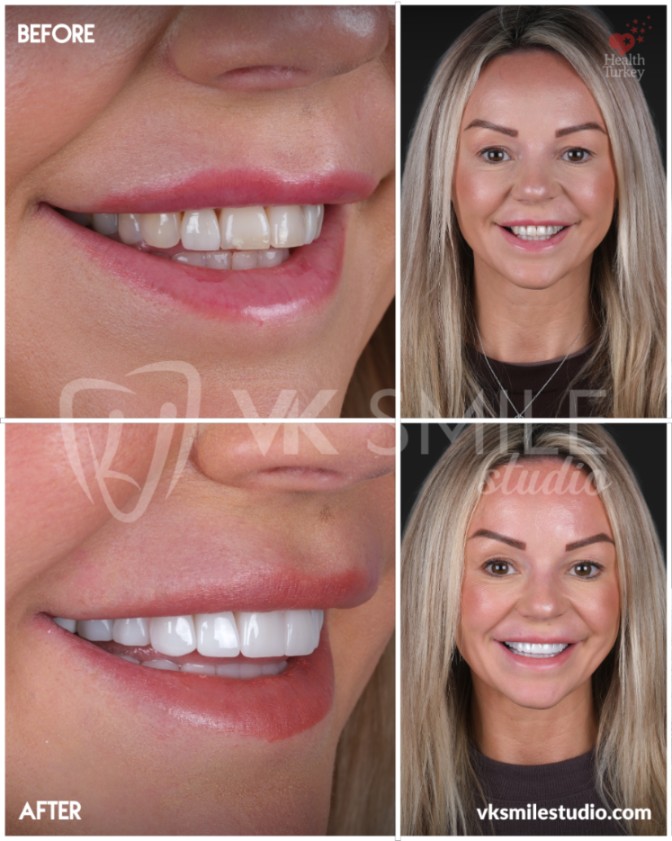

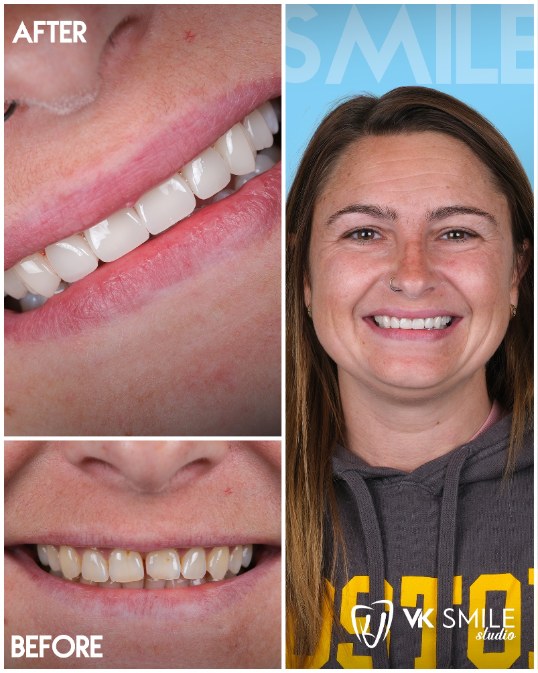
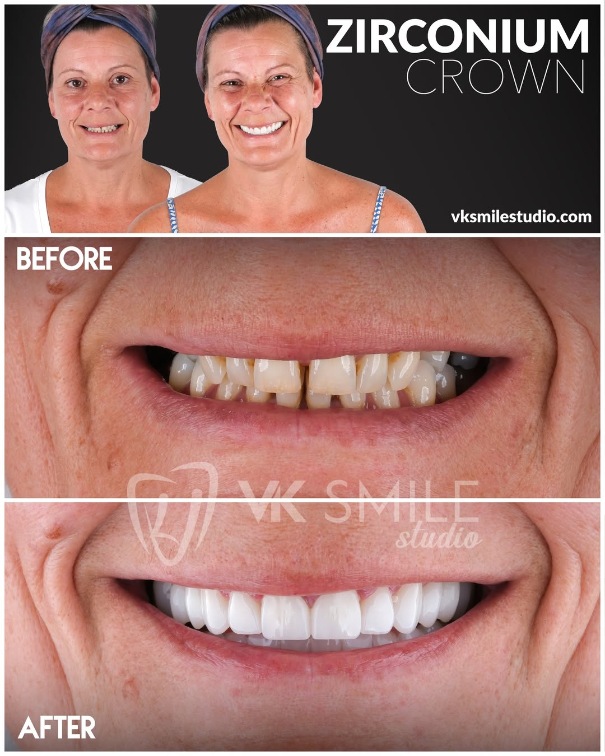

What our patients say about veneer repairs at VK Smile Studio
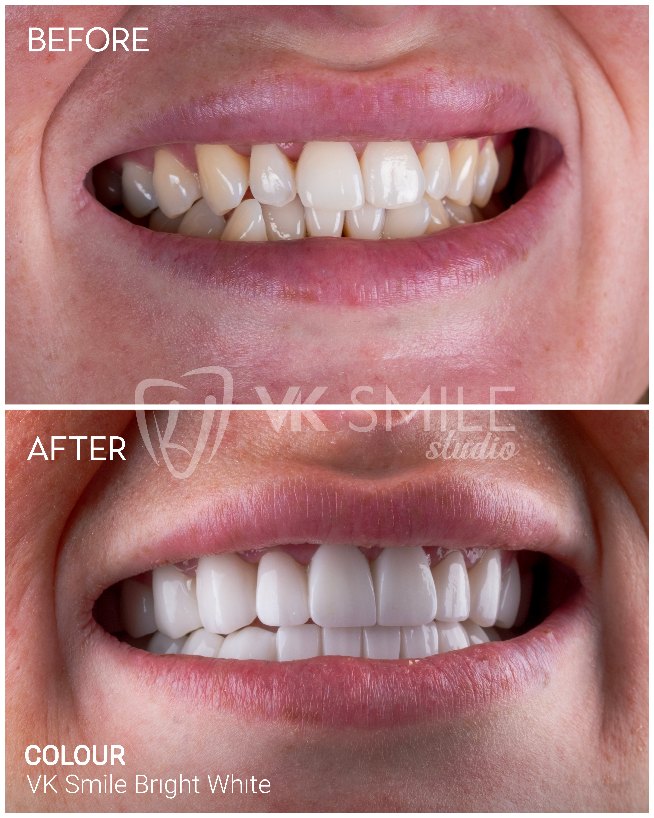
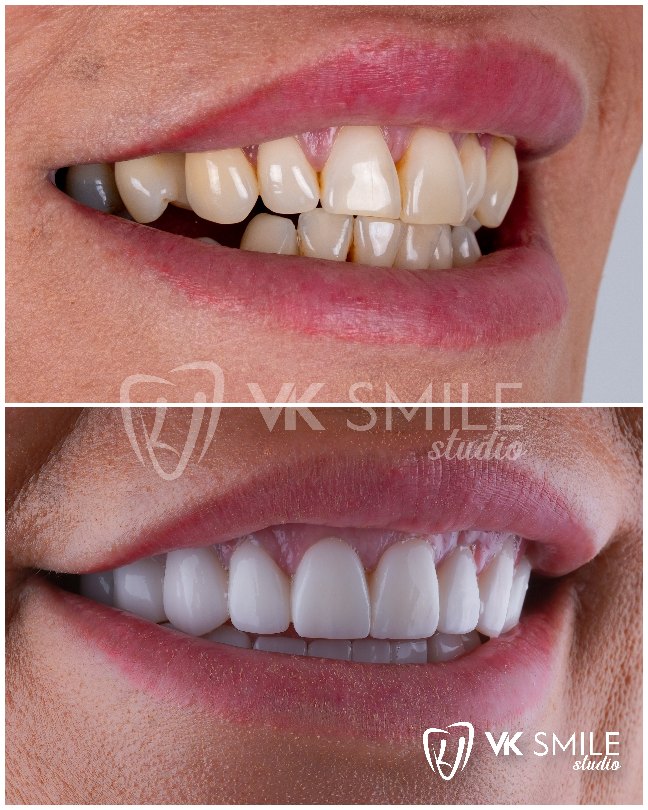
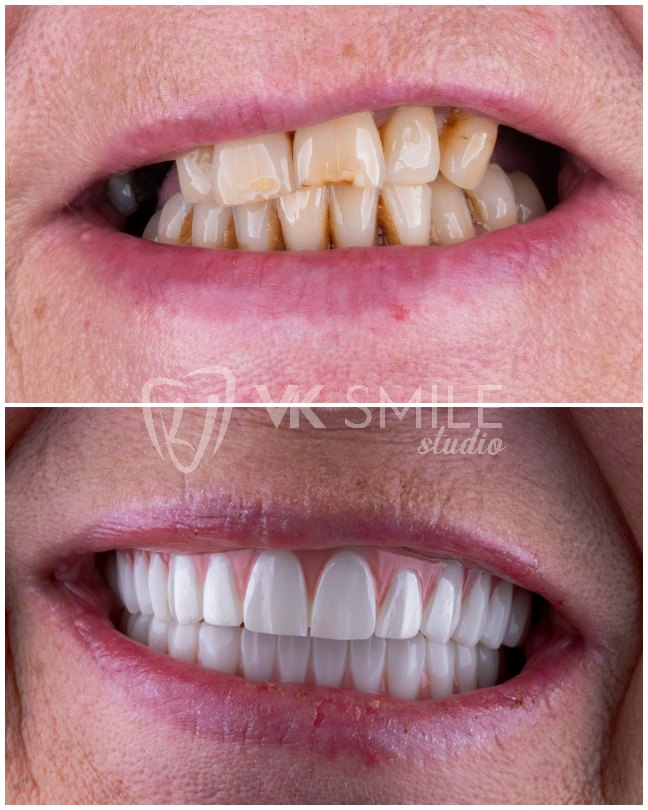
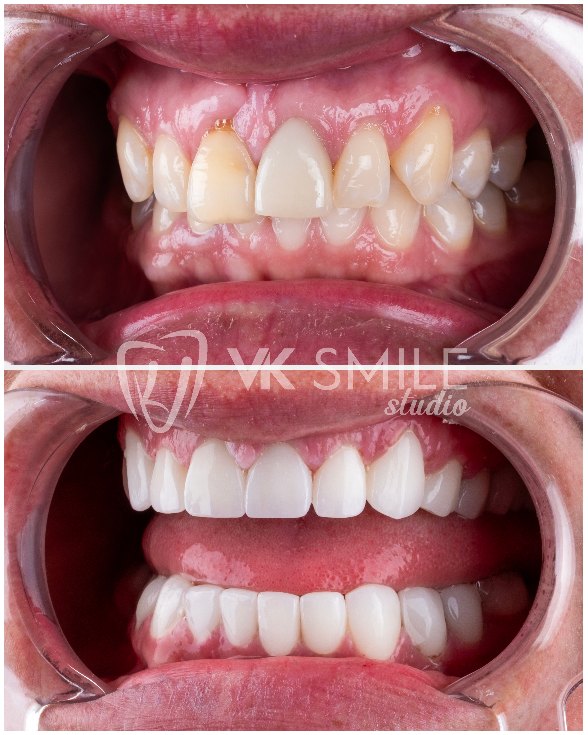
Real experiences from British patients who travelled to our clinic for emergency veneer repairs, veneer fell off temporary fix treatment, and full smile makeovers. Their stories speak to our clinical precision, transparent pricing, and compassionate care.
How veneer replacement works at VK Smile Studio in Turkey (step‑by‑step)
Travelling from the UK to Turkey for a veneer replacement might feel unfamiliar, but the process is designed to be smooth, predictable, and relaxing. Below is exactly what you can expect.
Step 1. Digital smile assessment
You undergo a non‑invasive intraoral scan that captures every contour of your teeth and bite. No messy impressions, no gagging. Only choosing the veneer fell off temporary fix solution matching your specific case.
Step 2. Shade matching and design
Our in‑house ceramists select the exact colour, translucency, and texture to blend seamlessly with your existing veneers. You approve the design before any porcelain is milled.
Step 3. Preparation and bonding
The old veneer is carefully removed (if present). The tooth surface is etched, a high‑strength dental adhesive is applied, and the new veneer is bonded under controlled pressure.
Step 4. Final adjustments
Your bite is checked with articulation paper. Any high spots are adjusted. The veneer is polished to a natural, beautiful finish.
Step 5. Same‑day or next‑day completion
Because we mill our own ceramics, you rarely wait more than 48 hours from consultation to final bonding. Many patients receive their new veneer the same day.
Our clinic has refined this workflow over thousands of successful cases, making us a recognised veneers Turkey best place for urgent and elective veneer treatment.
Signs your veneer may be damaged (before visible chipping occurs)
Not all veneer damage is visible to the naked eye. Recognising early warning signs can prevent a small issue from becoming a full‑blown failure. Watch for these indicators:
- Increased tooth sensitivity to hot, cold, or sweet stimuli near the veneer edge
- A visible line or crack that catches your fingernail when you run it across the surface
- The veneer feels slightly mobile or “springy” when pressed with your finger
- Dark discolouration at the gum line, suggesting bond failure or micro‑leakage
- Food trapping more frequently around one specific tooth
- A change in how your bite feels, as if one tooth is hitting first or feels higher
If you notice any of these signs while still in the UK, document them and mention them during your consultation at our clinic. Early intervention often costs less and preserves more natural tooth structure.
Veneers gone wrong pictures – what to avoid and how to spot poor work
Searching for veneers gone wrong pictures online can be alarming. You will see bulky, opaque white veneers that look like denture teeth; red, inflamed gums around poorly fitted margins; and veneers that have fractured or fallen off within months of placement. Common signs of poorly executed veneers include:
- Veneers that look unnaturally white, flat, or opaque compared to adjacent natural teeth
- Visible gaps or overhangs where the veneer meets the gum, trapping food and bacteria
- Gums that appear red, swollen, or receding around the veneer margins
- Frequent chipping or popping off within the first year after placement
- Discomfort or pain when biting or chewing
- A dark line at the gum line, visible when you smile (often caused by poor margin placement)
How to avoid ending up in a “veneers gone wrong pictures” gallery:
- Choose a high‑volume, specialist‑led clinic with an in‑house lab
- Ask to see before‑and‑after images of similar cases
- Verify that the clinic uses CE‑certified materials from well-known brands (e,g., Ivoclar Vivadent or GC)
- Travel to Turkey only to established providers like VK Smile Studio that offer warranties on their work
When a veneer needs full replacement in Turkey (not just repair)
While minor chips can be polished or filled, some situations demand a complete replacement. Attempting to repair a non‑repairable veneer will only lead to repeated failures and higher cumulative costs. Full replacement is required when:
- The veneer is fractured vertically through the middle, compromising its entire structure
- More than 50% of the veneer surface is damaged or missing
- The underlying tooth has developed decay or structural compromise beneath the veneer
- The veneer has come off and cannot be re‑bonded securely due to contamination or tooth surface changes
- The patient desires a material upgrade, for example, from composite to premium porcelain
- The existing veneer is over 10-12 years old and showing generalised wear or marginal staining
In Turkey, full replacement costs the same as a minor repair in the UK. This economic reality changes the decision calculus entirely.
Many British patients choose to replace older veneers during a Turkey smile makeover package.
Porcelain veneers vs composite veneers – does the material affect how they break?
Yes, the material influences both the type of damage and the repairability. Porcelain veneers are fired ceramic.
They are highly stain‑resistant, mimic natural enamel beautifully, and last 10-15 years. However, porcelain is brittle under point impact. A hard knock may cause a clean fracture that cannot be repaired chairside.
Composite veneers are a resin‑based material applied directly or indirectly. They are more forgiving under impact, often bending slightly rather than cracking.
Composite is easily repaired chairside in minutes. However, composite stains faster, wears sooner, and requires more frequent polishing.
Which is better for patients travelling to Turkey?
Porcelain is the preferred choice for long‑term, low‑maintenance results. Composite works well for temporary transformations or patients on a very tight budget. The veneers clinics offer both, with transparent pricing and clear guidance on which material suits your specific case.
Why choose VK Smile Studio for veneer repair or replacement in Turkey
You might wonder: why travel to Turkey for a single veneer repair when you could visit a dentist down the street? The answer comes down to value, expertise, and long‑term peace of mind:
- Emergency repair packages. We understand that a chipped veneer tooth repair cost is stressful. Our team offers rapid appointments for UK travellers, often within 24 hours of your arrival in Turkey.
- All‑inclusive pricing. Your quoted veneers Turkey package price Antalya includes everything – digital scans, shade matching, the new veneer, bonding, adjustments, and post‑operative care. No surprises.
- High‑volume mastery. Our specialists place and repair thousands of veneers annually. This volume refines every step of the process, from margin design to bond strength.
- CE‑certified materials. We use only premium European porcelain from brands like Ivoclar Vivadent, GC, and VITA. Your replacement veneer will match or exceed the quality of your original.
- Lifetime aftercare support. We provide a detailed clinical report for your UK dentist, explaining exactly what was done and how to maintain it. You are never abandoned after you leave Turkey.
- Five‑star patient experience. Your package includes VIP airport transfers, luxury accommodation, and an English‑speaking patient coordinator who handles every logistical detail.
FAQ
Is it normal for veneers to chip?
Restorations can sustain a chipped edge if subjected to chronic bruxism, accidental trauma, or high-impact force. While porcelain is a high-strength material, it behaves similarly to natural enamel and can fracture under extreme pressure or through habitual biting on hard objects in Turkey.
How much does it cost to replace a chipped veneer?
In Turkey, replacing a single porcelain unit typically costs between £150 and £300. It is lower than the average UK chipped veneer tooth repair cost, which often exceeds £1000 per tooth due to higher clinical overheads and outsourced laboratory fees.
Can a chipped tooth veneer be repaired?
Minor surface nicks may be polished out, but structural fractures require a full replacement. Porcelain cannot be patched with composite resin without compromising the bond strength and aesthetic harmony, making a new restoration in Turkey the only reliable clinical solution.
What are common signs of bad veneers?
Hallmarks of poor-quality work include bulky contours, “piano key” symmetry, and grey margins at the gum line. These issues, frequently documented in veneers gone wrong pictures, often stem from inadequate tooth preparation or the use of low-grade bonding materials.
How to fix a veneer chip?
Permanent repair requires the removal of the damaged unit followed by the placement of a new, custom-milled porcelain restoration. In Turkey, digital CAD/CAM workflows allow technicians to mill and bond a replacement within 24 hours, ensuring an immediate return to functional health.
How often do veneers pop off?
Restorations should rarely dislodge if the initial bonding followed strict adhesive protocols. Frequent debonding usually indicates a contaminated bonding surface, insufficient enamel for attachment, or an uncorrected bite misalignment that requires specialist intervention in Turkey.
How long do veneers last?
High-tier porcelain units typically last 15 to 20 years with correct maintenance and regular hygiene. Longevity is determined by the quality of the initial fit and the patient’s commitment to avoiding habits that lead them to ask what happens if a veneer chips or comes off?